
We all know that we, each of us, and every living thing we know, is made up of cells. We are informed of the risks of cancer and diabetes through maladapted diet and habits, and the risks to our fertility through many plastics.
What we don’t often think about is that our bodies are themselves huge ecosystems, and much like a forest is not inhabited just by trees, our bodies are not just inhabited by our cells. In the same way, a healthy ecosystem cannot exist without many different species, so are our bodies and our guts. In fact, many different diseases, including autism, may be linked to the bacteria in your gut.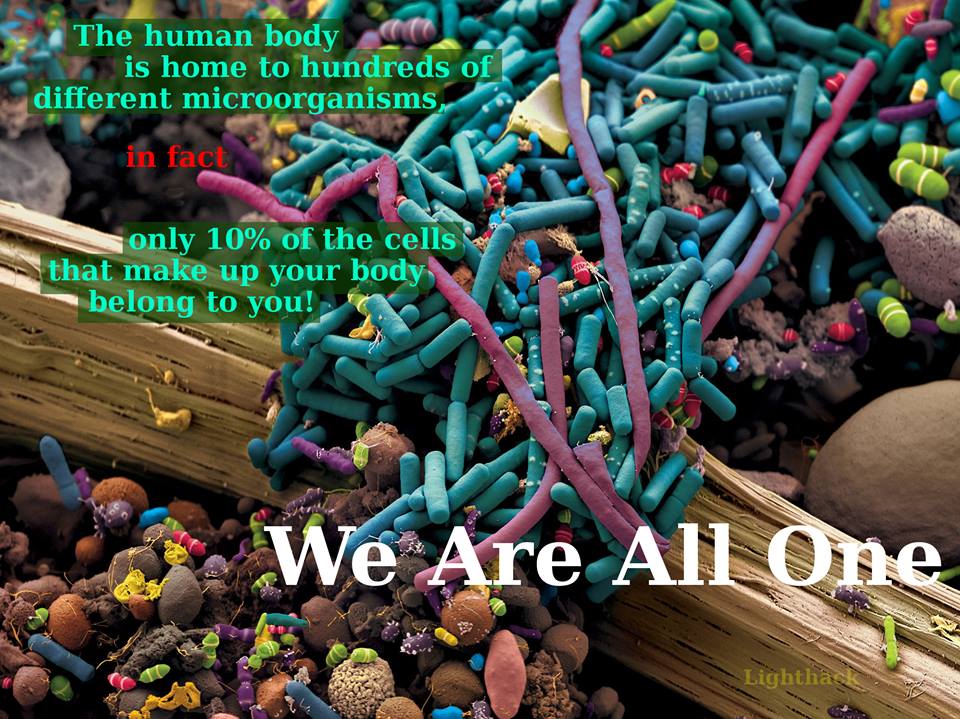
This is because the human body is not able to directly digest or process all the different foods we put in our bodies, and because your body is a great environment for many micro-organisms to thrive. The dominance of “good” gut bacteria helps prevent the rise of harmful bacteria, as well as enabling us to operate more efficiently. In fact, our microbial helpers outnumber our cells 10:1.
The existence and prosperity of certain bacteria is so important, that it is likely the reason behind the development of the appendix, and its analogous -or independent- development in at least 32 different species of mammals. The appendix is especially designed to protect and foster the growth of beneficial gut bacteria, and allow you to survive after a serious stomach infection in an age before abundant probiotics like yoghurt.
What this all means is that we need to not just look at the effects of our diet on human cells, but also on the various bacteria we depend on and which make up a diverse and important part of our physiology. Existing studies already show the negative effects of Splenda, an artificial sweetener, on beneficial gut bacteria, and it isn’t a long shot to expect that many of our artificial aromas, flavors, and preservatives carry similar biological costs and complications.
This knowledge also makes it clear that we must be careful and strategic in our use of antibiotics, and that consuming substances which are antibacterial, internally, (like colloidal silver) should generally be avoided. This means it makes more sense to strengthen our immune systems (with fruits and vegetables) when we start to get sick, than to ignore it until the infection is so severe that a doctor is called into the picture to prescribe an antibiotic. Antibiotics are non-selective, and also kill your beneficial gut bacteria. In instances where the person is unable to obtain new beneficial gut bacteria ,or never developed them at all, chronic malnutrition or even death can occur.
When we think about the fact that these bacteria also play a role in regulating our immune reactions, and that many of our culture’s norms in terms of how we treat our animals, our produce, and even how we directly deal with protecting our children from diseases, may also contribute to reducing beneficial gut bacteria or even foster the growth of harmful gut bacteria, then we realize our health is not just dependant on our health. The problems this can, and likely does, cause are too numerous to list in full, but allergies and appendicitis would be pretty safe bets.
We need to eat well and treat our bodies with respect not just for us and for our cells, but for the survival and prosp
erity of the multitude of symbiotic bacteria we depend on, and who keep harmful bacteria in check. Many of the chemicals which we add to our foods in “quantities too small to effect human health” may easily be quantities large enough to impact our gut bacteria and indirectly impact our health.
References:
1. http://www.ncbi.nlm.nih.gov/pubmed/9704859
2. http://www.ncbi.nlm.nih.gov/pmc/articles/PMC1500832/
4. http://www.sciencedirect.com/science/article/pii/S1631068312001960
5. http://news.wustl.edu/news/Pages/24874.aspx
6. http://news.sciencemag.org/plants-animals/2013/02/appendix-evolved-more-30-times
7. http://www.ncbi.nlm.nih.gov/pubmed/18800291
8. http://www.niaid.nih.gov/topics/immuneSystem/Pages/gutBacteria.aspx