
If you look at the uninformed narrative, it would seem that countries like Ethiopia are just giant deserts where people are bound to starve and die of thirst. When we talk about food, we frequently talk about how much is produced, and forget to talk about how much of what is produced actually makes it to people, and how much of available land is being used to feed people.
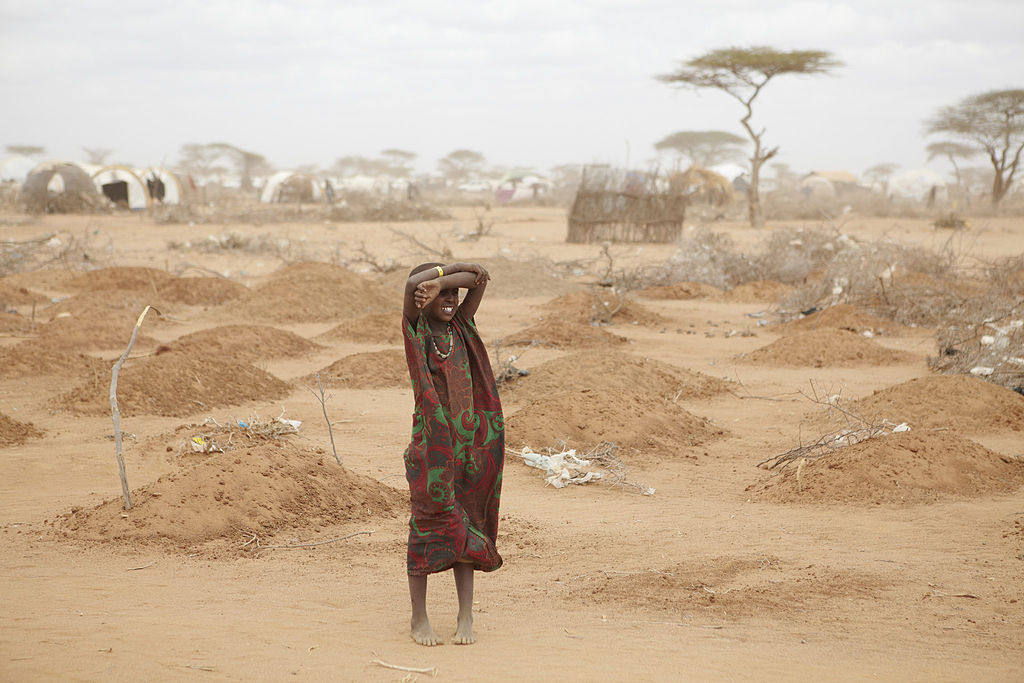
People in the third world are not starving and dying of thirst because their lands are unable to feed them or because there exist no natural aquifers in these regions. Instead, people are starving and dying of thirst because companies with no stake in the local area pay off the central governments in these nations to get access to both land and water resources for a fraction of the market cost. If you don’t believe me, then why is Ethiopia’s growing more coffee than anything else?
1. We use water to grow crops that we then turn into alcohol to burn
The use of biofuels is a major user of both water and land. It requires the major investment of land, fertilizer, and water to produce feed that is then fermented (costing time and energy) into biofuels like ethanol. We are literally taking food and turning it into something that we then burn: we are taking nutrients and minerals out of the soil to create something that we literally intend to simply burn up. Wouldn’t it make sense to simply reduce fuel consumption and use our food crops for food?
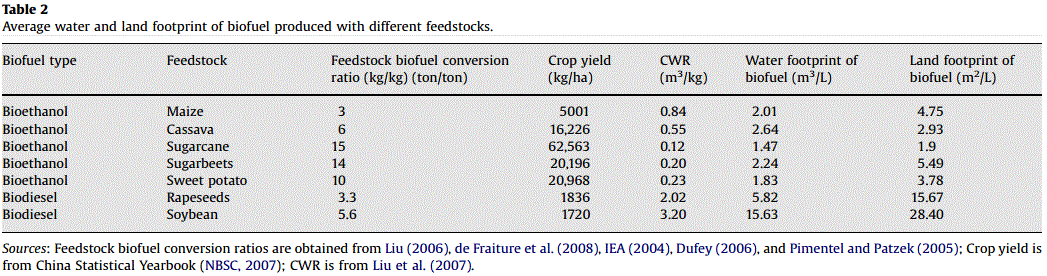
Full study can be found here: http://www.syngentafoundation.org/__temp/Energy_Policy_article.pdf
2. We use vast tracts of land in third world nations to grow and export cash crops, while people in surrounding areas starve
In poor nations all over the globe, water and land resources are siphoned away from those who need it to grow luxury crops for rich populations who will pay to import them. Throughout Indonesia, both rainforest and normal cropland are being used to create palm oil as both a biofuel and cooking oil for richer nations.
In Sao Paulo, Brazil, they grow and export eucalyptus trees which are incredibly water intensive, while the poor in the city have to fear that they might not get enough to drink. The number of examples could go on forever: people are starving and dying of thirst because existing resources are being allocated badly, and not because we don’t have enough resources.
3. We waste too much food trying to sell it all to people who already have enough to eat
Because first world markets are willing to pay more for the same crops, millions of kilocalories are exported away from the needy to become “cheap calories” for those who already have enough. Imagine if your potato chips have remained potatoes, or if your corn chips had remained corn: would you be any more hungry for this?
We waste approximately half of all the food we have available in the United States. We waste this much because we import in bulk, pay higher prices than people in the 3rd world can afford, and because companies in the United States and China have invested pennies on the dollar to grow the crops, on these lands, and know they have the domestic markets to make a profit. The suffering or needs of the people living much closer to the lands actually growing these crops are completely forgotten by everyone from the CEOs to the investors, but they shouldn’t be forgotten by us.

4. Companies would rather export industrial technology than sustainable farming resources or know-how
It yields a higher profit to export the most expensive tractors and fertilizers than to help farmers better utilize their land and survive on their own. Notice how “aid” efforts rarely depend on sending qualified experts and preparing educational resources, but instead focus primarily on trading technology against debt or public utilities.
The efforts to aid third world nations need to focus more on actually aiding them to succeed on their own, instead of “aiding” them in accumulating debt. I wonder how many realize that efforts to block poor farmers from getting golden rice have more to do with keeping these people dependent on supplements than it has anything to do with health or sustainability.

5. We rely more on animal agriculture than is sustainable
The average American citizen consumers a portion of meat and animal products far greater than this planet can support. Between biofuel and animal agriculture, we exploit vastly more land and water than we need for food, and still manage to not feed everyone.
A recent study for the United Nations found that biofuels, animal agriculture, and even many parts of normal agriculture, were vastly more environmentally costly than all of the money these sectors were earning.
If we reduced our use of animal products, biofuels, and stopped growing water-intensive cash crops in drought stricken regions, we would almost assuredly have enough food and water for everyone.