
For years, everyone had assumed that the “spicy” molecule capsaicin only had an effect on your nerve endings. Aside from being used to spice things up, it has also been used to numb wounds during surgery. Now, it has been shown to help intestinal cells “turn over” and prevent the formation of tumors.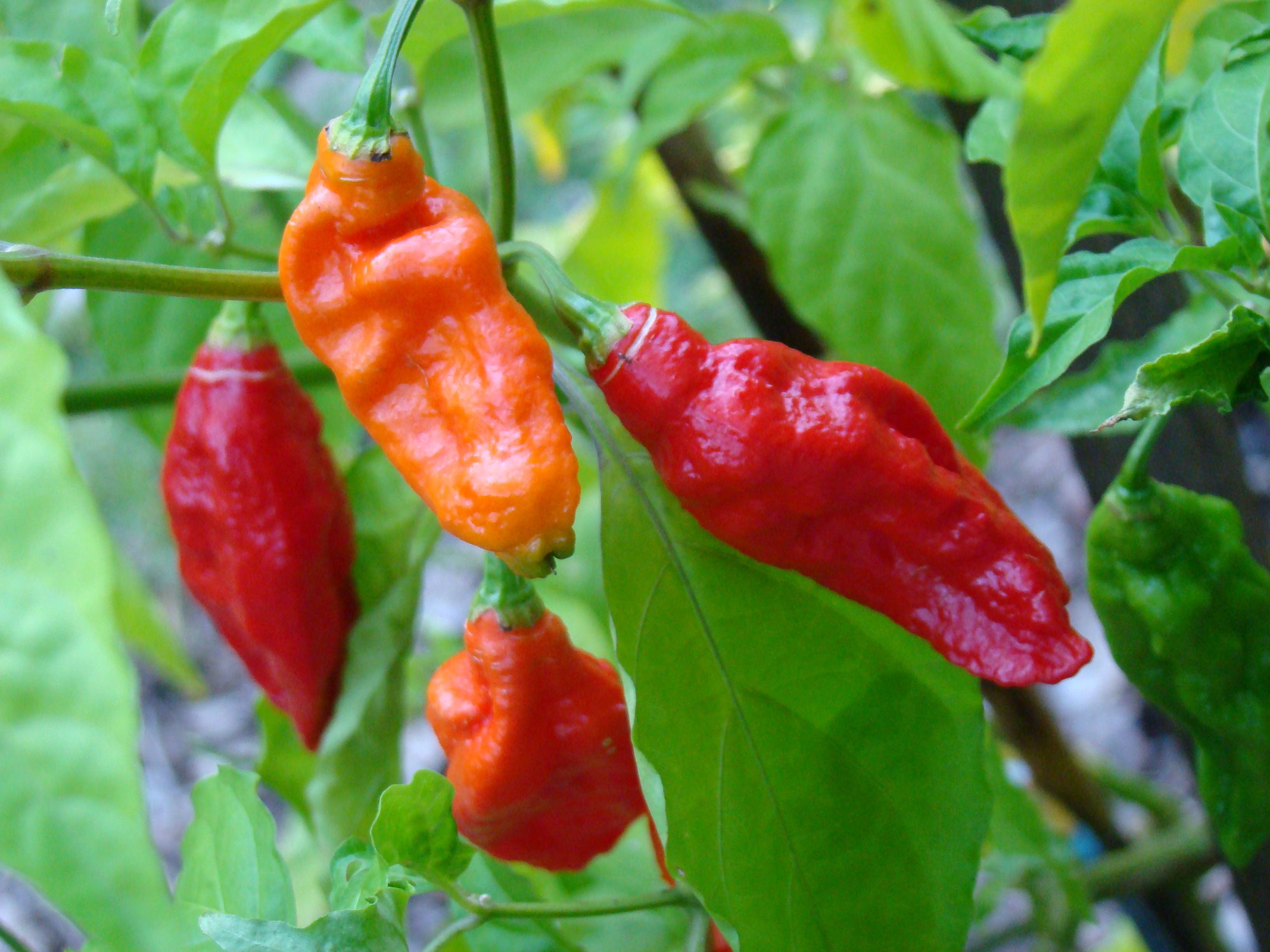
The findings from the Journal Of Clinical Investigations, published on August 1st, 2014, demonstrate that the TRPV1 receptor (to which capsaicin binds) is also present on the surface (epithelial cells) of the intestines, and that their activation reduces the growth of tumors. To put this in layman’s terms: capsaicin tells the stomach cells not to grow indefinitely and helps them regulate their development.
The study provided proof-of-concept by feeding tumor-prone mice diets with or without capsaicin. The mice which were fed capsaicin developed significantly fewer tumors and lived 30% longer than the control rats.
The mechanism of action is modulated through TRVP1’s negative feedback on the expression of EGFR (epidermal growth factor receptor: which lets cells know to divide), limiting the wild multiplication of the cells. These results beg the question of whether spicy food may help tumor-prone individuals reduce their risk, but further human trials are necessary to confirm that this applies to humans.