
“The war on medical marijuana is over…Now the fight moves on to legalization of all marijuana,..this is the strongest signal we have received from Congress [that] the politics have really shifted. …” said Bill Piper, a lobbyist with the Drug Policy Alliance.
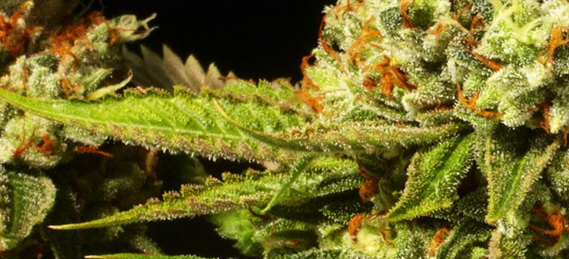
Within the massive 1,603 page federal spending bill for 2015 lays a provision that finally ends the federal government’s raids and persecution of medical marijuana growers and sellers in states that have decided to medicalize or legalize it. Finally, federal tampering with state level marijuana laws would end, and in fact the DEA would be prohibited from undertaking what used to relatively frequent raids. Now, a raid or any form of prosecution can only come as a result of other criminal investigations like money laundering.
This marks the first time the government has, in the last half century of cannabis criminalization, recognized the right of states and individuals to produce and consume what is generally recognized as a harmless plant that also brings much industrial potential in the form of hemp. Although this is merely an official recognition of what has appeared to have been administration policy for more than the last year, it sets the official precedent and reduces the theoretical ability for the next president to return to complete marijuana prohibition.
“This is a victory for so many,” said the measure’s coauthor, Republican Rep. Dana Rohrabacher, of Costa Mesa. The measure’s approval, he said, embodies “the first time in decades that the federal government has curtailed its oppressive prohibition of marijuana.”
Despite 32 and the District of Colombia states having already decriminalized their marijuana laws, the Drug Enforcement Agency had continued to codify marijuana as a highly illegal Class A substance and until this turnaround Congress had aided it by blocking the recognition of a state’s right to decriminalizing the growth of the plant or any of its constituent parts or molecules. When citizens in DC tried to legalize the use of medical marijuana in 1998: Congress effectively stopped them in their tracks.
Thus the popular precedent for this decision has existed for at least a decade, but was consistently ignored and blocked up until very recently. Far from being surprised that Congress is finally catching on, we should be surprised it took so long for representatives to acknowledge the right of those they represent to grow a medically attractive and industrially useful plant.